Want to know how to build a cheap website for Indian startup without it looking cheap? This guide breaks down everything — from the right tech stack to real costs — in simple, plain English.
Let’s Be Honest — Most Indian Startups Get This Wrong
Building a website feels overwhelming. There are a hundred options, everyone has opinions, and half the advice online is either outdated or written for US businesses with big budgets.
Here’s the thing — you don’t need to spend lakhs on a website. But you also don’t want something that loads in 8 seconds and looks like it was built in 2009.
So what’s the sweet spot?
That’s exactly what this guide is about. Whether you’re running a small clothing brand in Mumbai or a new SaaS idea out of Pune, figuring out how to build a cheap website for an Indian startup the right way can honestly change how your business grows online.
Let’s get into it.
What Even Is a Headless CMS Website? (And Why Should You Care?)
Okay, real talk — when most people hear “headless CMS,” their eyes glaze over. But stick with me for a second, because this actually matters for your budget.
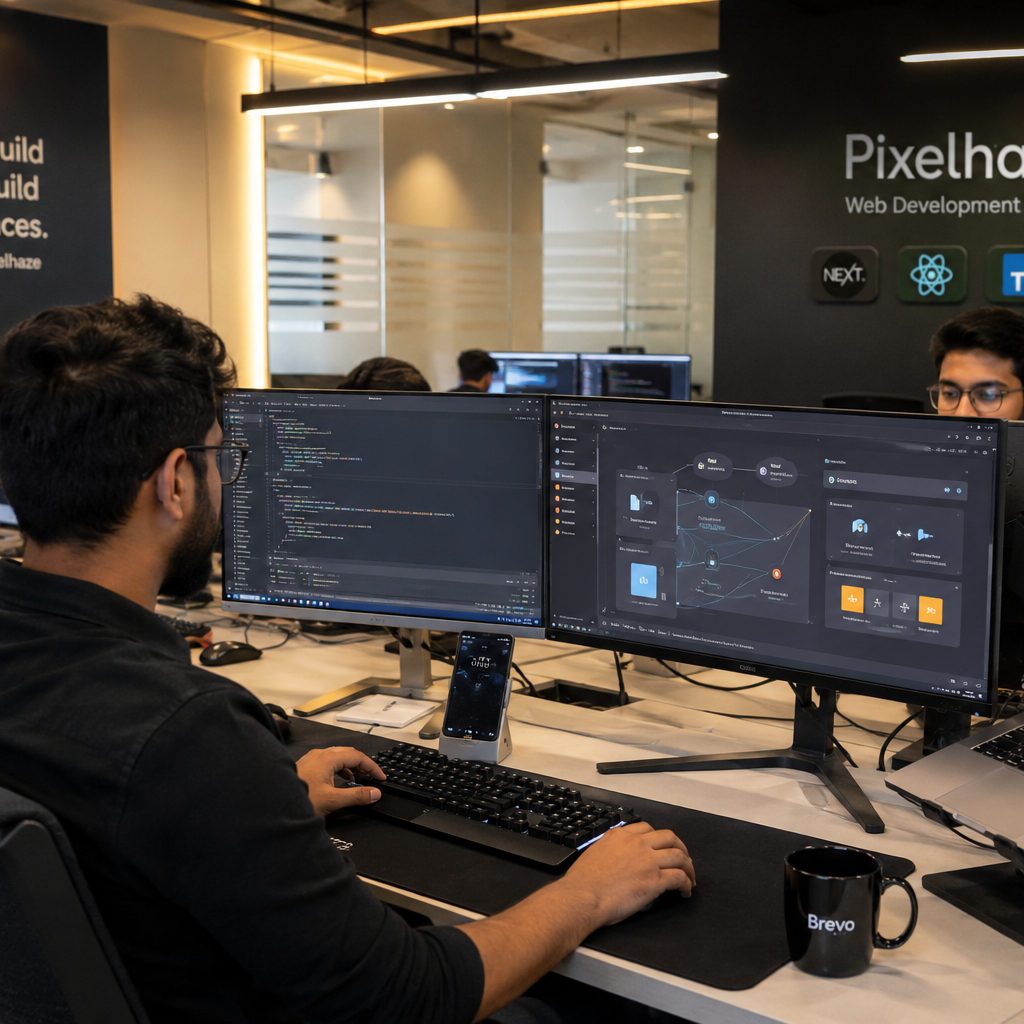
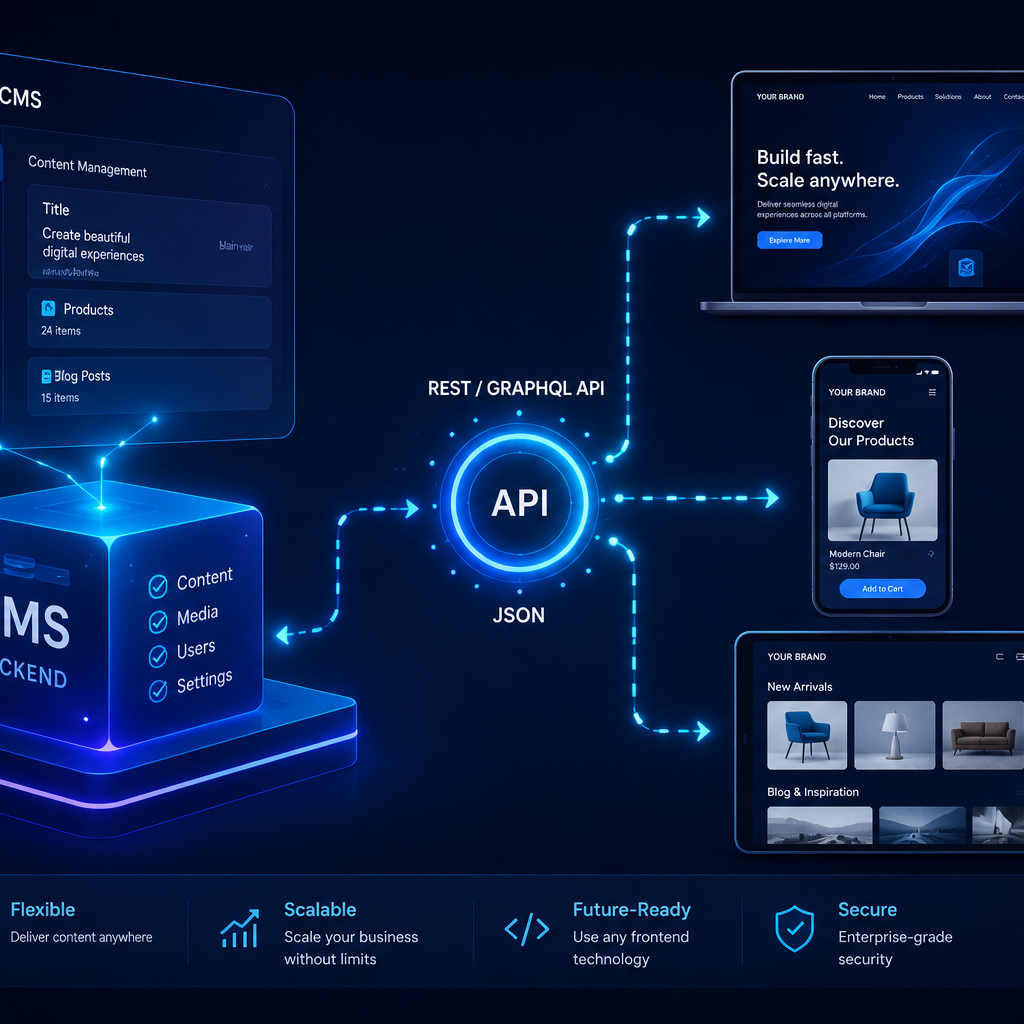
A headless CMS is basically a setup where your content and your website design are separated. Think of it like this:
- The backend stores all your content — blogs, product pages, service listings
- The frontend is what your visitors actually see
- An API connects the two
Why does this help with costs? Because one backend can power your website, your mobile app, and even a future admin panel — all without rebuilding everything from scratch.
For Indian startups trying to figure out how to build a cheap website that can actually grow with them, this approach makes a lot of sense.
Popular platforms that work really well:
- Strapi — open-source, self-hostable, great for developers
- Sanity — clean dashboard, easy to use
- Contentful — better for larger teams
- Hygraph / Directus — solid alternatives worth exploring
Why Indian Agencies Are Ditching Old-School WordPress Sites
Most local agencies built everything on WordPress for years. Nothing wrong with that — WordPress works. But clients are now asking for things WordPress alone struggles to deliver cleanly:
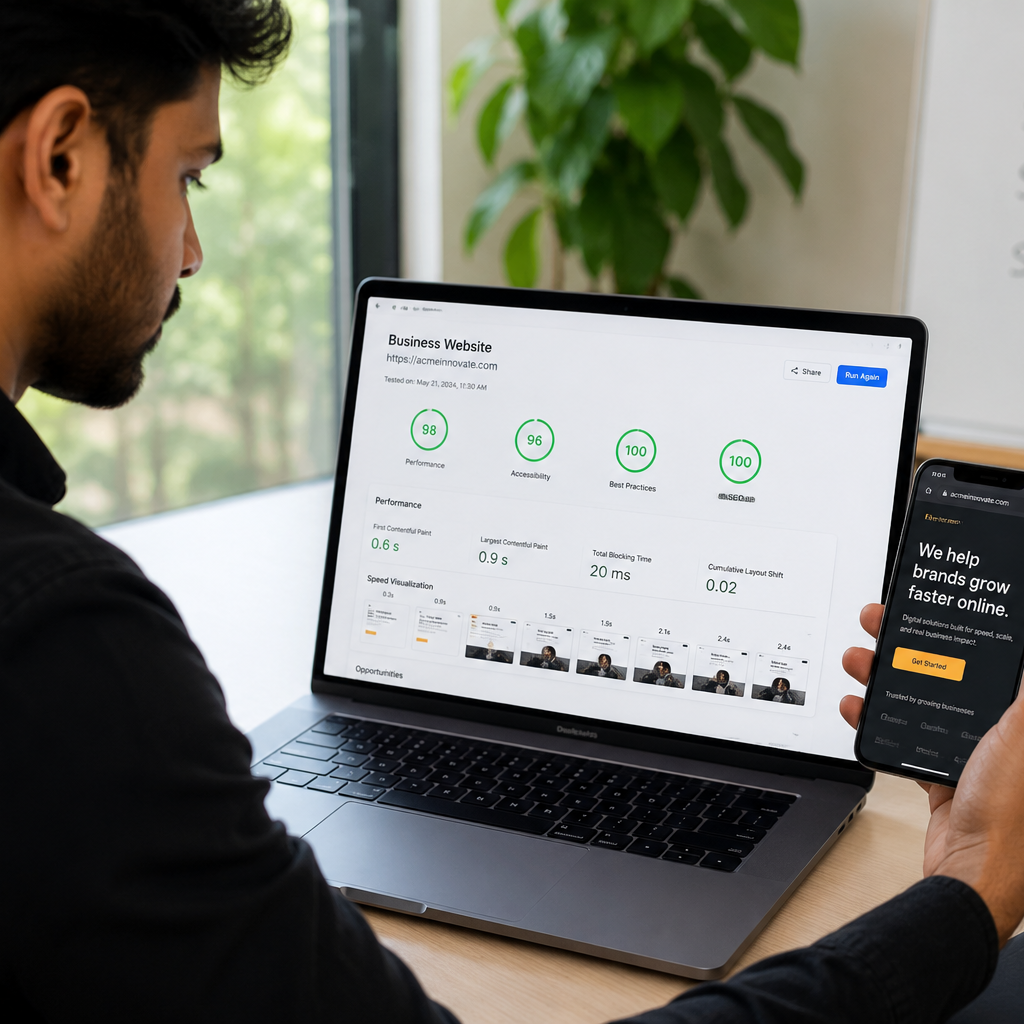
- Faster loading speeds
- Better mobile experience
- Stronger SEO performance
- Fewer security headaches
Take a real example. A real estate firm in Pune wanted a website, a mobile app for their sales team, and SEO-optimised landing pages for different localities — all managed from one place. With a traditional CMS, that’s three separate systems to manage. With a headless setup? One backend, one team, much lower ongoing cost.
That’s why understanding how to build a cheap website for an Indian startup now often means looking beyond WordPress.
The Real Benefits (That Actually Matter to Indian Businesses)
Speed — And It’s Not Just a “Nice to Have”
India has some of the highest mobile data usage in the world, but network speeds vary massively — especially in Tier 2 and Tier 3 cities. A slow website doesn’t just frustrate users, it kills your Google ranking.
Headless websites built with Next.js or similar frameworks load significantly faster because only what’s needed gets loaded. If you’re looking at affordable website design for small business Mumbai, speed should be near the top of your checklist.
SEO That Actually Works
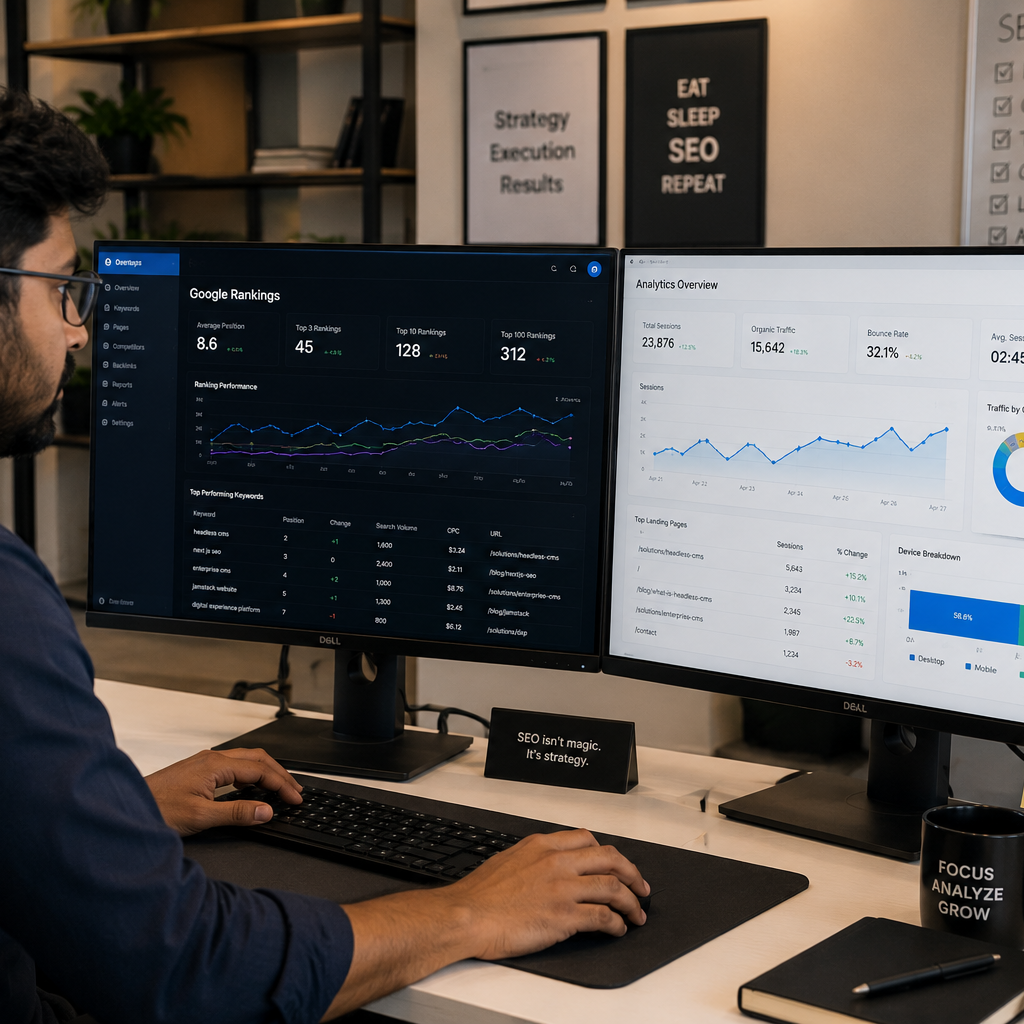
Here’s something most people don’t realize — a beautifully designed website with poor technical SEO is basically invisible on Google. Headless CMS setups, especially when paired with Next.js, give you really strong control over:
- Core Web Vitals (Google cares about these a lot)
- Mobile performance
- Structured content and schema markup
- Clean URL structures
This matters whether you’re targeting customers in a metro or building a responsive website for small business Amravati — SEO is what gets you found.
Security Without the Plugin Nightmare
Anyone who’s managed a WordPress site knows the pain — plugin updates, vulnerabilities, random site hacks. With headless architecture, your frontend is completely separated from the backend. There’s no direct attack surface for common WordPress exploits.
Less maintenance. Less panic. Lower long-term costs.
Built to Scale (Without Starting Over)
Let’s say your startup is small today. Next year, maybe you want a mobile app. Or a multilingual site. Or a full eCommerce integration.
With a headless CMS, you add to what you have — you don’t rebuild. That’s a big deal when you’re trying to keep costs down.
How It All Fits Together
It’s simpler than it sounds:
| Part | What It Does |
|---|---|
| CMS Backend | Stores and manages all your content |
| API | Passes content to wherever it’s needed |
| Frontend | What your users actually see and interact with |
Write a blog post once in your CMS. It shows up on your website, your app, wherever. No copy-pasting, no duplicate work.
Choosing the Right Headless CMS for Your Budget
Strapi
Best for Indian startups and small agencies. It’s open-source, so you’re not paying per-seat licensing fees. You can self-host it on a DigitalOcean or AWS server and keep costs very manageable. The best website developer for local shops in Pune will likely already know Strapi well.
Sanity
Great if you’re producing a lot of content and want a clean editing experience. Real-time collaboration is a nice bonus if your team isn’t all in one office.
Contentful
More of an enterprise tool. Solid and reliable, but the pricing can add up. Better suited for funded startups or larger businesses.
Start with Strapi or Sanity if you’re genuinely trying to figure out how to build a cheap website for an Indian startup without sacrificing quality.
The Tech Stack That Makes Sense in India Right Now
Frontend: Next.js is the go-to right now. It’s fast, SEO-friendly, and has a massive community.
Hosting:
- Vercel — Extremely easy, great performance, generous free tier
- Netlify — Another solid option
- DigitalOcean / AWS — More control, slightly more setup
Most Indian agencies working on affordable website design for small business Mumbai projects are running Next.js on Vercel. It just works.
What Does It Actually Cost in India?
Let’s talk numbers, because that’s really why you’re here.
| Website Type | Estimated Cost |
|---|---|
| Basic Business Website | ₹30,000 – ₹70,000 |
| Startup Website with Features | ₹70,000 – ₹2,00,000 |
| Advanced SaaS or Platform | ₹2,00,000+ |
Ongoing monthly expenses might include:
- Hosting: ₹500 – ₹3,000/month depending on traffic
- CMS subscription (if not self-hosted): varies by platform
- Maintenance and updates
- SEO tools or services
Honestly, if someone’s quoting you ₹5,000 for a full website, something’s not right. But you also shouldn’t have to spend ₹5 lakh to get a solid, modern site as a startup.
Mistakes That’ll Cost You (Avoid These)
Overcomplicating It Early On
Don’t start with enterprise tools when a simple Strapi + Next.js setup will do. Pick what fits your current needs, not your imagined future size.
Skipping SEO Entirely
Speed is great. Design is great. But if you don’t invest in basic SEO — proper headings, clean URLs, image optimization, page speed — you’re building a shop in a lane nobody walks down.
Poor Content Structure
This trips up a lot of people. If your content isn’t organized logically in the CMS from day one, editing becomes a nightmare fast. Take time to plan this out before development starts.
Ignoring Mobile
Most of your visitors are on phones. Full stop. A responsive website for small business Amravati or anywhere in India isn’t optional — it’s the baseline. If your site isn’t mobile-first, fix that before anything else.
Is This Right for Every Business?
Probably not every single one, but more than you’d think.
Headless CMS websites make a lot of sense for:
- Digital and creative agencies
- SaaS startups
- Content-heavy businesses (news, education, listings)
- Real estate companies
- eCommerce brands planning to scale
Maybe skip it for:
- Very simple static brochure sites (just use a website builder or a lightweight WordPress theme)
- One-page landing pages with no ongoing content
If you’re a local shop in Mumbai wanting a basic presence, a simple affordable site might be enough. But if you have any plans to grow, knowing how to build a cheap website for an Indian startup with a scalable setup will save you from a complete rebuild in 18 months.
Wrapping Up — The Right Website Is an Investment, Not Just an Expense
Look, India’s digital market is moving fast. Your competitors are getting online. Customers are Googling before they call. A slow, outdated website actually hurts you more than having no website in some cases.
The good news? You don’t need a massive budget. You need the right approach.
Understanding how to build a cheap website for an Indian startup — one that’s fast, secure, scalable, and actually ranks on Google — is genuinely within reach for most businesses. Headless CMS architecture is just one part of that puzzle, but it’s an increasingly important one.
Start simple. Focus on SEO from day one. Pick a tech stack that developers in your city actually know. And find a team that’s built real projects, not just templates.
Ready to Build Your Website the Right Way?
Whether you’re looking for the best website developer for local shops in Pune, exploring affordable website design for small business Mumbai, or need a solid responsive website for small business Amravati — the first step is just having a proper conversation about your goals.
Don’t let confusion hold you back. Start with what you need today, build with tomorrow in mind.
Got questions about your specific situation? Drop them in the comments or reach out directly — always happy to help.